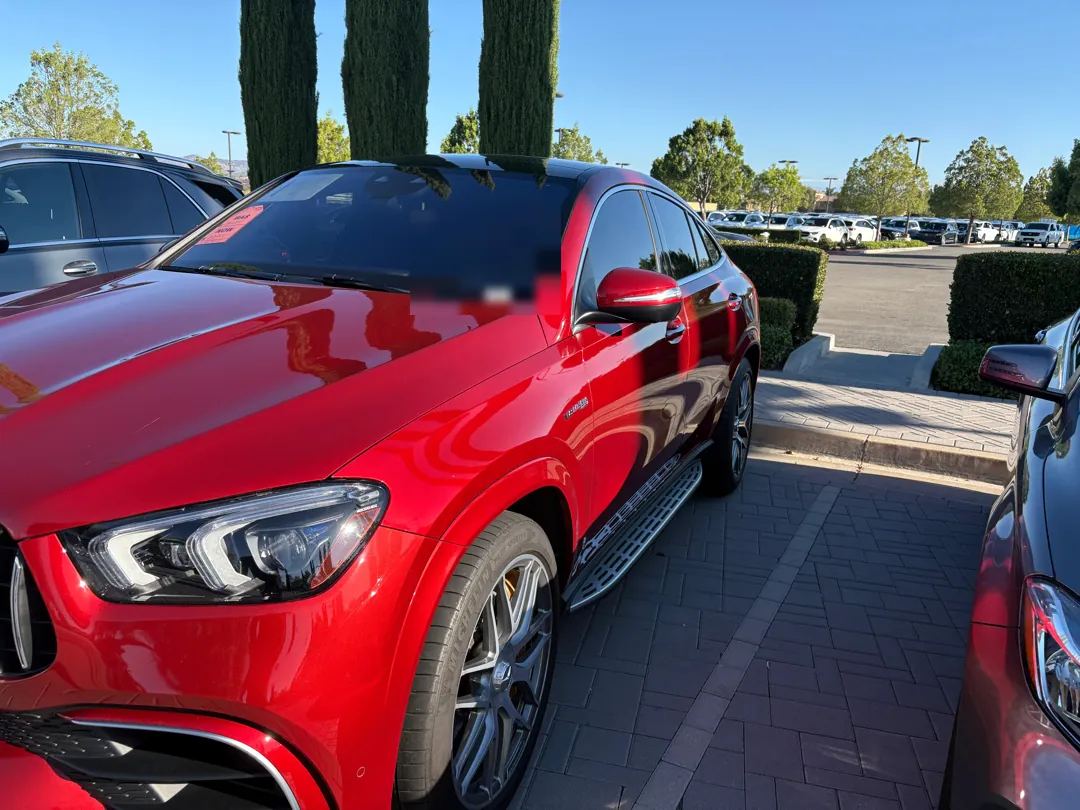
Heat Is the Test Your Tires Take Here
A tire flexes every time it rolls, and that flexing makes heat. Add a hot road and a full load, and the rubber runs hotter still. Temecula sits at 1,020 feet, and July and August highs average 96.7°F and 97.6°F, per the same climate table. The August record is 118°F.
That is why one federal grade matters more in this valley than most lists admit. Most passenger tires sold in the US carry a temperature grade of A, B or C. Under 49 CFR 575.104, grade C is the minimum every passenger tire must meet. A and B are better at resisting heat and shedding it.
So start there. A cheap tire with a B or A temperature grade can be a fair buy. A tire of any brand with a C grade is built to the floor. For a family SUV on the 15 in August, the floor is a thin margin.
The Brands Owners Rate Lowest
The best public brand ranking comes from owners, not ads. Consumer Reports asks its members how their tires hold up, and Jalopnik wrote up the results on February 1, 2026. The survey covered all season, all terrain, winter and summer tires.
Sumitomo came out with the lowest overall satisfaction of any brand. It finished last in all terrain and summer, and second to last in all season and winter. Owners marked it down for handling, wet grip and how fast the tread wore. Dunlop and GT Radial were also rated poorly in all four categories.
More names sat low on at least one list. Uniroyal was at the bottom of both lists it appeared on, all season and winter. Ironman, Mastercraft and Sailun were near the bottom in all season and all terrain. Kelly and Hercules rated poorly in at least three categories.
Look at who owns those names, though. Jalopnik notes Uniroyal and BFGoodrich are Michelin brands, and Michelin itself was at or near the top of every list. Sumitomo Rubber now owns Dunlop. So the company name on the building tells you little. The line, the size and the grades on the sidewall tell you more.
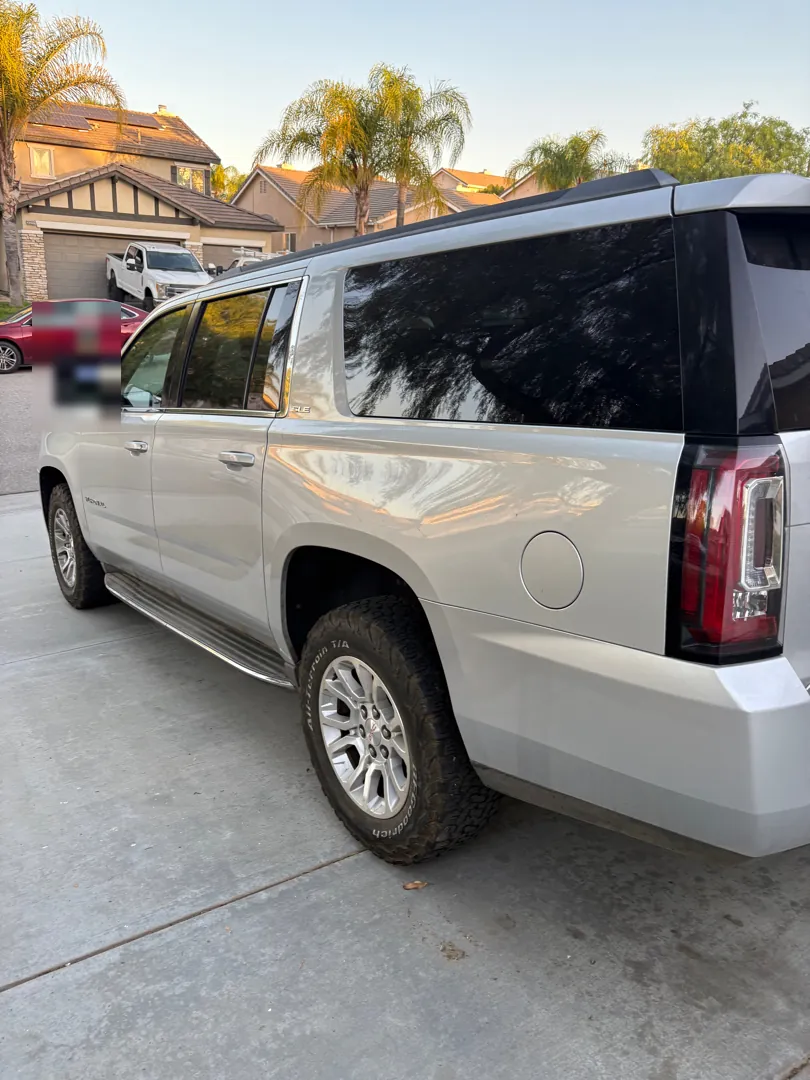
What Ten Years of Tire Recalls Show
Owner surveys measure how happy people are. Recalls measure something harder. A maker has found a safety defect, or a tire that fails a federal standard, and has to fix it free. NHTSA publishes every campaign in a recall flat file, and we counted the tire recalls in it filed from 2016 through 2025.
There were 117 of them, covering about 4.2 million tires. Makers opened 105 of the 117 on their own. The surprise is who filed them. Continental, Bridgestone, Cooper, Goodyear and Michelin, five of the biggest names on any shop wall, filed 54 between them.
Big makers sell more tires, so they will file more recalls. That is the point. A famous badge doesn't keep a tire off this list, and a cheap one isn't automatically on it. The six largest recalls in the decade show the mix.
| Year | Tire and Filer | Tires Covered | The Problem |
|---|---|---|---|
| 2024 | AMP Terrain Attack and Terrain Pro, Wheel Group Holdings | 673,000 | Marked as snow tires without enough snow traction |
| 2023 | Michelin Agilis CrossClimate | 542,110 | Marked as snow tires without enough snow traction |
| 2024 | Fortune Tormenta and Prinx Hicountry | 541,632 | Marked as snow tires without enough snow traction |
| 2021 | Cooper Discoverer and eight other names, Cooper | 430,298 | Sidewall bulge or separation |
| 2017 | Primewell Valera Touring II, Giti | 394,378 | Cracks in the lower sidewall, loss of air |
| 2024 | Continental ProContact GX AO | 146,568 | Heat buildup leading to belt separation |
Three of those were the same problem. The tire carried the snow symbol but didn't grip well enough in snow to earn it under the federal standard. Those three snow traction recalls covered 1.76 million tires, about 42% of every tire recalled in those ten years. Few valley drivers need snow tires, but anyone who heads up to the mountains in winter should know a snow symbol was not a promise.
The separation recalls matter more down here. We found 29 campaigns that mention tread, belt or sidewall separation, covering about 952,000 tires. Continental's 2024 recall names heat buildup as the cause. Heat again.
Read the Sidewall Before the Price Tag
You don't need a brand list to judge a tire. Federal law puts three grades on the sidewall of most passenger tires, molded between the tread and the widest part of the tire. Most new replacement tires also carry them on a label stuck to the tread, per the UTQG rule.
| Grade | What You See | What It Means |
|---|---|---|
| Treadwear | A number in steps of 20 | How fast the tread wears on a federal test course. 150 wears about one and a half times as well as 100 |
| Traction | AA, A, B or C | Straight line braking on wet asphalt and concrete. AA stops best, C least |
| Temperature | A, B or C | How well the tire resists and sheds heat at speed. C is the federal minimum |
The rule gives real thresholds for traction. A C grade stops at an adjusted coefficient of 0.38 or less on wet asphalt. An AA grade has to beat 0.54. Traction grades cover braking in a straight line only, not cornering or hydroplaning.
Treadwear is a comparison, not a mileage promise. The rule itself says real wear depends on how you drive, the roads and the climate. Snow tires, deep tread tires, temporary spares and tires on rims of 12 inches or less are exempt, so a missing grade on those isn't a red flag.
A quick rule for valley driving. Look for traction A or AA and temperature A or B. Then compare treadwear numbers only between tires you are already willing to buy.
Check the Date and Register the Tire
A low quality tire can also be a good tire that sat too long. Every tire carries a tire identification number that starts with DOT. Under 49 CFR 574.5, the last four digits are the date code. The first two give the week and the last two give the year, so 0925 means the ninth week of 2025.
Read that code before the tires go on, not after. A new set should carry a recent date. Two tires on the same axle should match. Used tires with a date code you can't find, or one many years old, are a pass.
Then register them. Under 49 CFR 574.7, tire makers must give every dealer that sells their new tires a registration form, and the form says plainly that sending it puts you on the maker's recall list. Many makers also take it online. It costs nothing, and it is the only way a recall letter finds you.
Tires bought online and mounted somewhere else are the ones that slip through. Keep the receipt, write down all four ID numbers, and register them the day they go on.
Where Cheap Tires Cost You Later
Shop reviews say a lot about this. In the auto shop reviews we have on file, most of them from Riverside County, 1,335 of 23,409 mention tires. Of those, 17.0% are one or two stars, against 11.2% across all of them.
The angry ones share a theme. Warranty trouble comes up in 9.7% of the one and two star tire reviews, and in just 1.3% of the four and five star ones. Overcharging and upsells come up in 7.0% of the bad ones. So the tire itself is only half the buy. Who stands behind it is the other half.
Ask for a written price that includes mounting, balancing, valve stems and disposal before you agree. The Federal Trade Commission's auto repair basics say to get any warranty in writing and know what it covers. A road hazard plan is worth reading line by line before you pay for it.
Wear also tells on the car, not just the tire. Inside edge wear usually points to alignment or a worn part up front, which Temecula Mobile Mechanic covers on its suspension and steering page. Put a premium tire on a car with a worn control arm and it wears like a cheap one.
Get a Second Set of Eyes on Your Tires
Buying a used car with a new looking set? A pre-purchase inspection checks the tire brands for mismatch and reads the manufacture dates. Stuck with a flat right now, the roadside help guide lists who can come out. Or book a visit and call (951) 618-1982. Temecula Mobile Mechanic covers Temecula, Murrieta, Menifee, Wildomar and the rest of the valley.
Fact Check Links
- NHTSA, Recalls Flat File FLAT_RCL_POST_2010, tire campaigns 2016 to 2025, downloaded November 2026
- Jalopnik, This Tire Brand Scores the Worst for Owner Satisfaction in Consumer Reports' Ranking, February 1, 2026
- Code of Federal Regulations, 49 CFR 575.104, Uniform Tire Quality Grading Standards (Cornell LII)
- Code of Federal Regulations, 49 CFR 574.5, Tire Identification Requirements (Cornell LII)
- Code of Federal Regulations, 49 CFR 574.7, Tire Registration Information (Cornell LII)
- Wikipedia, Temecula, California, climate and roads
- Federal Trade Commission, Auto Repair Basics